Getting Around

1
Times to Avoid


Rush hour in Japan can get super crowded! On weekdays, trains and buses are packed from 7-9 AM and 5-7 PM with commuters heading to work or school. If you can, plan your travel outside these hours - you’ll find the ride much smoother, quieter, and way more comfortable!
2
Is Your Suitcase
Too Big?

When using crowded public transport in Japan, try to avoid bringing large baggage with you. If you can, leave it at your hotel, use a coin locker, or send it ahead with a delivery service - it’ll make your day so much easier!
On the Shinkansen (bullet train), there’s a special space behind certain seats for big suitcases - but you’ll need to reserve it in advance.
3
Keep It Quiet on the Train
In Japan, quietness is golden when you’re on public transport. Talking loudly or taking phone calls is considered bad manners - step off the train if you need to chat.
When boarding, let passengers get off first, then line up and wait your turn. And remember - don’t sit on the floor or rush for seats. If you’re in a priority seat, please offer it to someone in need.
Here’s something fun: on long-distance trains like the Shinkansen, it’s common to enjoy a train bento (japanese lunch box). If you consume food on the train, please just avoid strong smells - and take in this unique, peaceful side of Japanese culture.
4
Rainy Day in Japan

In Japan, people try to keep public spaces clean and dry, even on rainy days. Use an umbrella, and be careful not to drip water on others or on seats in trains, buses, or taxis.
If your umbrella is wet, point it down toward the floor - and if your clothes are soaked, place a towel or plastic bag on the seat before sitting.
You’ll often find umbrella bags at stations and shops - a small but thoughtful touch that shows Japan’s love for keeping shared spaces tidy.
5
Planning to Drive?

If you’re renting a car in Japan, remember - we drive on the left side of the road! Pedestrians always have the right of way, so take extra care at crosswalks. No drinking and driving - it’s taken very seriously, and both the driver and passengers can be fined. Even stoping shortly on the road can lead to penalties, so always use a proper parking space.
Highways in Japan are toll roads. If your rental car comes with an ETC card, you can breeze through automatically - otherwise, have some cash or small bills ready for payment. And here’s a tip for the expressway: after overtaking, always move back to the left lane.
When returning your rental car, please keep it tidy and take your trash with you. Drive safely and enjoy the road trip!
6
How About a Bike Ride?

Japan’s bike-sharing services are growing fast - it’s an easy and fun way to explore the city! But remember, bicycles are treated as vehicles, so unless there is a designated bicylce lane, ride on the road, not the sidewalk. No drinking and cycling, no riding two people on one bike, no phone use or holding an umbrella while riding. At stations and tourist spots, you’ll often see “No Parking” zones for bikes - if you leave your bike there, it may be towed away! Always park in a designated bicycle parking area, and enjoy Japan’s streets the local way - safely and responsibly.
7
Curious About
Unique Rides?

You might see go-karts driving on public roads in Japan - they look super fun, right? But be careful - accidents can happen easily, so it’s much safer to enjoy them on a closed circuit or special course instead.
Recently, electric scooters have also become popular, but there have been cases of collisions with pedestrians. So whenever you try something new on wheels, make sure to follow traffic rules and stay alert. Adventure is great - just keep it safe and smart!
Do You Know These Marks?
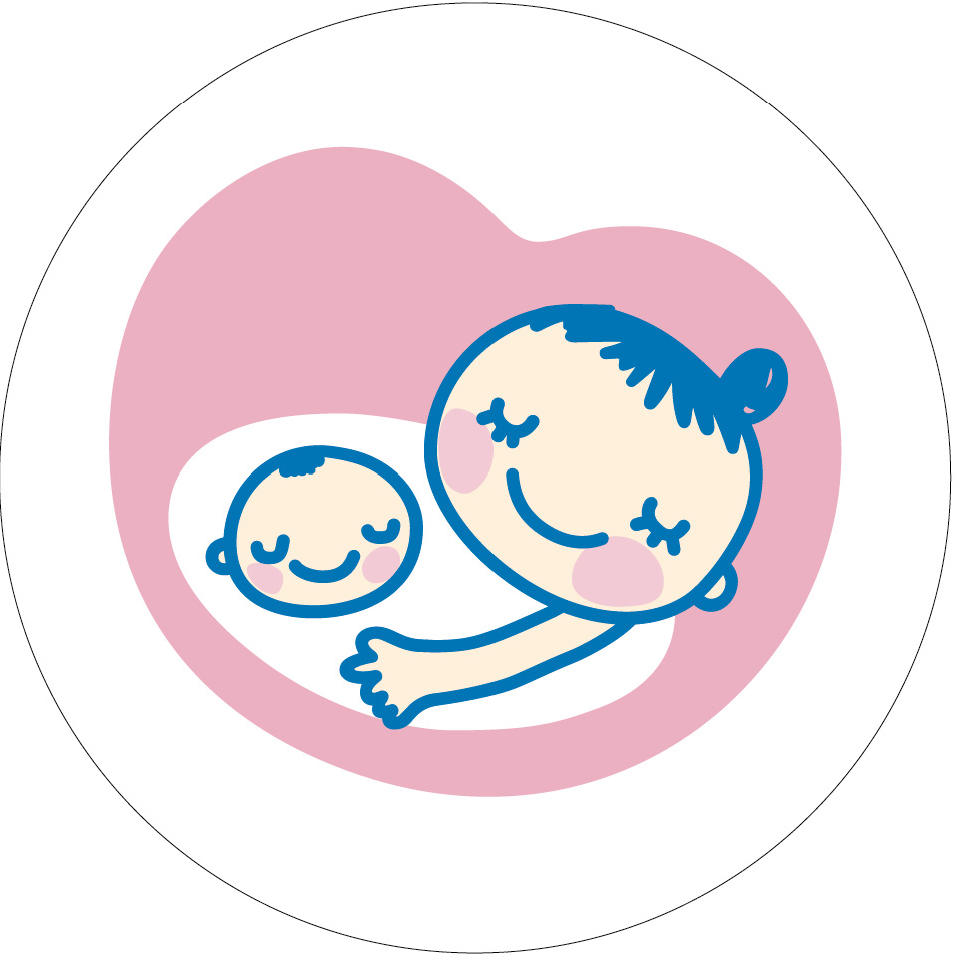
Maternity Mark
This mark is worn by pregnant women in Japan. If you see someone with it on a train or bus, please offer your seat or help with bags and movement. It’s a small act of kindness that makes a big difference.

Help Mark
This mark is for people with invisible disabilities or illnesses, elderly passengers, or those using prosthetic limbs or artificial joints. Even if you can’t tell at first glance, remember - someone wearing this mark might need a little extra care or support.
8
Traveling in a Group?

When you’re with friends, it’s easy to get excited and loud - we’ve all been there! But in Japan, being mindful of those around you is part of good manners. If you’re moving as a group, try to keep voices low and stay aware of the people and spaces around you.
A little consideration and teamwork can make everyone’s trip - including yours - more enjoyable!
