Experiences –
Nature

1
Joining a Guided Tour?

Even if not required, hiring a local guide can make your experience much richer. Guides can share stories and details you might otherwise miss - and help you avoid accidentally damaging delicate natural areas. They also ensure you follow local rules and stay safe while exploring.
Due to fragile nature and/or safety risks in some areas of Japan, it is strongly recommended, or even required, to hire a guide. These areas include: Shiretoko (Hokkaido), Shirakami Mountains (Aomori & Akita), Yakushima (Kagoshima), Ogasawara Islands (Tokyo), Mt. Fuji (Shizuoka & Yamanashi), Iriomote & Ishigaki Islands (Okinawa), Aso (Kumamoto), Kirishima (Kagoshima)
2
Visiting Mountains?


Japan’s nature is beautiful - but also delicate. Since it can take years for plants to recover, always stick to marked trails and paved paths. Some areas have mats for cleaning or disinfecting your shoes to prevent bringing in soil or seeds from other regions - please use them to help protect local ecosystems.
Before hiking, check if you need to submit a climbing registration form or bring a portable toilet. For tall peaks like Mt. Fuji, be careful - many hikers get altitude sickness from climbing too quickly! If you plan to conquer a mountain, prepare well: manage your health, wear proper gear, and enjoy the climb safely and responsibly.
3
Meet a Wild Animal?
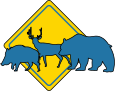
Japan is home to many wild animals. Even if they look cute, please don’t approach or feed them. Getting too close can be dangerous for both you and the animals - and can change their natural behavior. In areas where large animals such as bears or wild boars live, always check the latest wildlife information and avoid walking alone or off-trail. Major wild animals in Japan include:
- Brown bear (Hokkaido)
- Asiatic black bear (Honshu, Shikoku)
- Wild boar (Honshu, Shikoku, Kyushu)
- Deer (Hokkaido, Honshu, Shikoku, Kyushu)
- Japanese monkey (Honshu, Shikoku,Kyushu)


4
Going to the Beach?

In Japan, swimming areas are clearly marked with buoys or ropes - please stay within those zones for your safety. In some beaches where sea turtles come to lay their eggs, entering at night or using bright lights may be restricted.
You might notice that many beaches don’t have trash bins, so please take your garbage home. Also, glass bottles are often banned to prevent injuries, and alcohol may not be allowed at certain beaches to avoid trouble from drunk behavior - check local rules before you go.
When enjoying rivers, rafting, or stand-up paddleboarding (SUP), wearing a life jacket is strongly recommended.
5
Sunscreen!?

In Japan, eco-friendly sunscreens - ones that are safe for coral reefs - are still not very common. However, in places like Okinawa, more shops are starting to sell reef-safe products. When swimming in the ocean, please try to use reef-friendly sunscreen to help protect marine life.
Also, walking around town, taking public transport, shopping, or visiting shrines and temples while wearing a swimsuit is considered impolite. It may make local residents uncomfortable. When leaving the beach or pool, please put on a T-shirt or cover-up before moving around.
6
Caught in Bad Weather?

If bad weather is expected, it is important to consider changing or canceling your plans for safety reasons. If a disaster occurs and evacuation is needed, local residents will be prioritized at evacuation shelters.
Travelers should follow the instructions of local authorities and, if possible, arrange to return home early once it’s safe to do so. You can find reliable updates and emergency information from your country’s embassy or consulate in Japan.